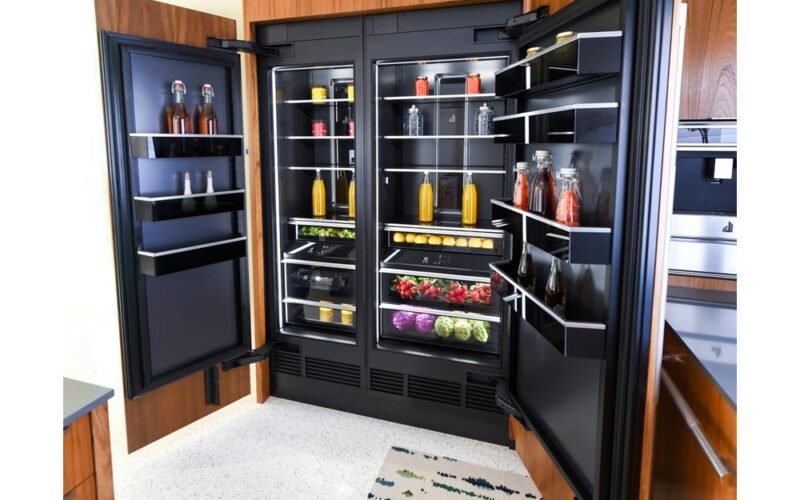
If your JennAir built-in refrigerator is too warm, too cold, or fluctuating in temperature, this guide covers the most common causes and how to resolve them.
Understanding JennAir Refrigerator Temperature Control
JennAir built-in and column refrigerators use precision electronic temperature management with multiple sensors throughout the cabinet. The Obsidian interior found on premium models is designed to maintain even temperatures, but several factors can interfere with proper cooling.
Ideal Temperature Settings
- Refrigerator compartment: 37 degrees Fahrenheit (3 degrees Celsius)
- Freezer column: 0 degrees Fahrenheit (-18 degrees Celsius)
- Allow 24 hours after any adjustment before evaluating the result
Common Causes of Warm Temperatures
1. Blocked Air Vents
Cold air enters the refrigerator compartment through vents located along the back wall and ceiling. If food containers or packaging are pushed against these vents, airflow is restricted and sections of the cabinet will warm up. Rearrange items to maintain at least one inch of clearance around all visible vents.
2. Dirty Condenser Coils
JennAir built-in refrigerators have condenser coils located behind the toe-kick grille at the bottom of the unit. Dust and pet hair accumulation forces the compressor to work harder and can prevent the unit from reaching target temperature.
- Unplug the refrigerator or switch off the breaker.
- Remove the toe-kick grille — it usually unsnaps or is held by two screws.
- Use a condenser coil brush (a long, narrow bristle brush) to gently clean the coils.
- Vacuum loose debris from the area beneath and around the coils.
- Reinstall the grille, restore power, and allow several hours for temperatures to stabilize.
3. Faulty Door Seal
The magnetic door gasket on JennAir column refrigerators seals tightly to prevent warm air from entering. Over time, the gasket can warp, crack, or collect debris that breaks the seal.
- Close the door on a dollar bill and try to slide it out. If it slides freely, the seal is weak at that point.
- Clean the gasket with warm water and mild dish soap — sticky residue is a common cause of poor sealing.
- If the gasket is visibly damaged, order a replacement from JennAir parts and press it into the retaining channel.
4. Frequent Door Openings
Each time the door opens, warm room air enters the cabinet. The Obsidian interior helps absorb and redistribute temperature more evenly, but excessive openings — particularly in a busy kitchen — can still overwhelm the system. Consider organizing frequently used items near the front for quick access.
When to Call a Technician
If you have cleaned the coils, verified the gasket seal, confirmed nothing is blocking vents, and temperatures remain outside the normal range after 24 hours, the issue may involve the compressor, evaporator fan motor, sealed system refrigerant, or the main control board. These repairs require specialized tools and a certified JennAir service professional.