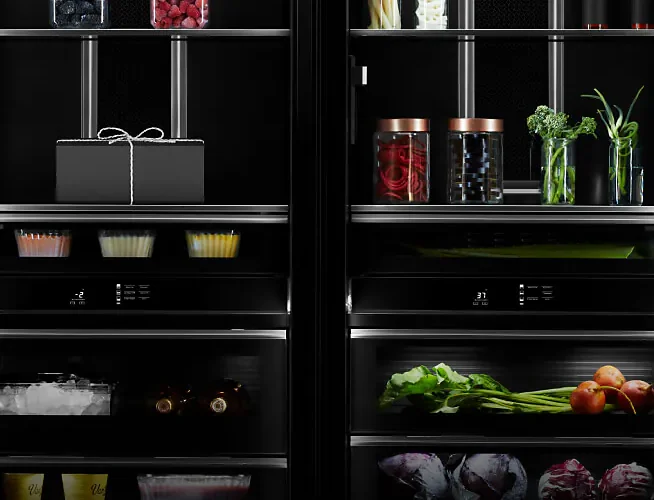
Proper organization of your JennAir freezer column improves airflow, reduces energy use, and makes it easier to find what you need. Learn best practices.
Why Organization Matters
A well-organized JennAir freezer column is not just about convenience — it directly affects the appliance’s performance. Proper organization ensures cold air circulates evenly, prevents the compressor from overworking, reduces the time the door stays open (because you can find items quickly), and minimizes food waste by keeping items visible and accessible.
Understanding the Drawer and Shelf Layout
JennAir freezer columns typically feature a combination of pull-out drawers, adjustable shelves, and door bins. The drawers are designed for categories of food, while door bins hold smaller, frequently accessed items. Some models include a dedicated ice maker compartment at the top.
Recommended Organization by Zone
Top Shelves — Quick Access Items
- Ice cream and frozen desserts
- Frozen fruits and smoothie ingredients
- Items you reach for most frequently
- Keep the area around the ice maker (if top-mounted) clear for proper ice production and bin access
Middle Drawers — Prepared Foods and Everyday Cooking
- Frozen meals, pizzas, and pre-made entrees
- Frozen vegetables and side dishes
- Bread, bagels, and baked goods
- Use drawer dividers or bins to separate categories and prevent items from sliding to the back
Bottom Drawers — Bulk and Long-Term Storage
- Bulk meats and poultry (place on the lowest level to prevent cross-contamination if packaging leaks)
- Large items like turkeys, roasts, and bulk purchases
- Items with the longest storage dates
Door Bins — Small and Flat Items
- Frozen juice concentrates
- Ice packs and gel packs
- Butter and small condiment packages
- Avoid placing heavy items in door bins — the door hinge bears the weight, and heavy bins can cause door alignment issues over time
Airflow Best Practices
- Do not overpack — cold air must circulate around food for even freezing. A freezer that is 75 to 80 percent full operates most efficiently.
- Keep vents clear — identify the air vents along the back wall and ceiling. Never stack food directly against them.
- Use flat, stackable containers — square or rectangular containers maximize space and stack neatly. Avoid round containers that waste corner space.
- Remove excess packaging — bulky retail boxes take up unnecessary space. Repackage items in freezer bags or vacuum-sealed bags.
Labeling and Rotation
- Label all items with the contents and date frozen using a permanent marker or freezer-safe labels
- Practice first-in, first-out (FIFO) — place newer items behind older items so older food gets used first
- Conduct a monthly inventory — discard items that have been frozen longer than recommended storage times (typically 3 to 6 months for most items, up to 12 months for meats in vacuum-sealed packaging)