
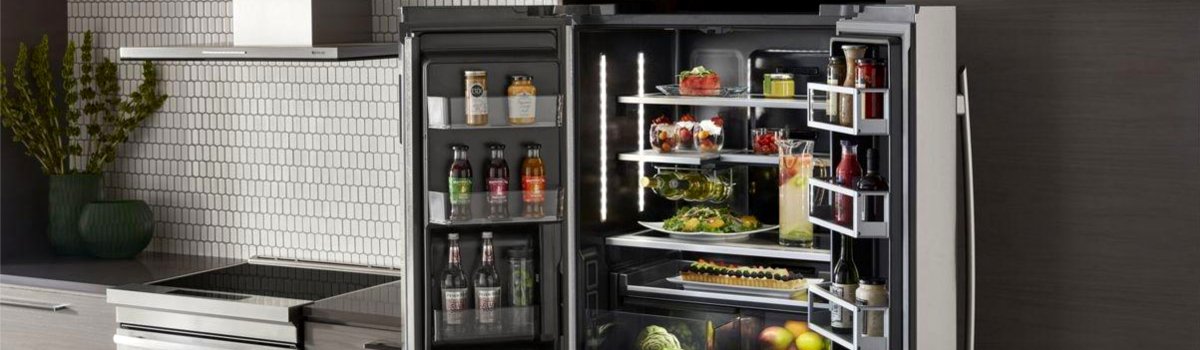
When your Jenn-Air flashes Error Code “rd”, it’s calling out a defrost system problem. In plain terms, frost is building up where it shouldn’t—around the evaporator coil—so cold air can’t circulate. Result: temps creep up, the fridge runs longer, and you may hear a fan scrape ice.
Below is a clear, user-friendly guide with short paragraphs and occasional lists. You’ll learn what the fault really is, why it happens, what you can safely try at home, and how to keep it from coming back.
What “rd” Really Means (in everyday language)
Your refrigerator makes cold by moving heat off the evaporator coil in the freezer section. During normal use, moisture in the air freezes on that coil. The defrost system periodically melts that frost so air can flow again.
If rd appears, the control board thinks defrost isn’t doing its job—so the coil slowly ices over until airflow collapses.
You might notice:
- Warmer temps in the fresh-food section while the freezer seems okay (at first).
- Frost sheets behind the freezer’s rear panel; sometimes snow-like ice on shelves.
- A fan noise that comes and goes (fan blades tapping ice).
- Long, noisy run times and food softening or milk not staying cold.
Likely Causes (and why they matter)
Sometimes it’s usage and airflow; other times it’s a component failure. The usual suspects:
- Blocked airflow: Vents covered by bags or boxes, or a freezer packed tight.
- Door gasket leaks: Warm, humid kitchen air sneaks in and ices everything up.
- Defrost heater failure: The heater that melts frost doesn’t energize.
- Defrost thermostat/bi-metal or sensor (thermistor): If they read wrong or stay “open,” the heater never runs long enough.
- Control board/defrost timer logic: Rare, but a failed output or firmware logic fault can skip defrost cycles.
- User patterns: Frequent long door openings, hot leftovers placed inside, or high humidity days add a lot of frost load.
Safe DIY: What to Try Before You Call
Safety first: Unplug the refrigerator or switch off the breaker before any hands-on work. Avoid opening sealed panels with refrigerant tubing. If anything smells “electrical,” stop and call a pro.
1) Power reset + observe (10 minutes)
- Unplug for 5–10 minutes. Plug back in. This clears temporary logic hiccups.
- After restart, listen for the evaporator fan. If the rd code returns quickly, skip to Step 3.
2) Airflow and loading check (5 minutes)
- Move items away from rear and side vents.
- Don’t overpack the freezer—leave space for air channels.
- Close doors firmly; make sure shelves and bins seat correctly (misaligned parts can hold a door slightly open).
3) Inspect gaskets (5 minutes)
- Run a thin strip of paper between the door gasket and cabinet. If it slides out easily, that area may be leaking.
- Clean gaskets with warm, soapy water; dry thoroughly. Look for tears or warped corners.
4) Manual defrost (last DIY step, 6–12 hours)
If you’re seeing obvious frost buildup or temps are already high:
- Unplug the fridge, prop doors open, and let it thaw naturally. Put towels down; empty the ice bin.
- Do not use sharp tools or high heat (hair dryers can warp plastic).
- When fully defrosted, power back on, reload food with space around vents, and monitor temps for 24 hours.
If rd comes back after a full manual defrost, components in the defrost circuit likely need service.
Quick Fixes You Can Keep (No Toolbelt Required)
- Door discipline: Short, purposeful openings; let hot leftovers cool first.
- Set points: 37–38°F (fridge) and 0°F (freezer) are solid targets.
- Clear the coils: Vacuum the condenser area every 6–12 months for better cooling efficiency.
- Water management: Make sure the defrost drain isn’t blocked (water under drawers = warning sign). A turkey baster with warm water can clear minor ice at the drain inlet—unplug first.
Preventing “rd” From Coming Back (habits that help)
Small routine changes beat big repairs:
Keep airflow open.
Leave space around vents; don’t press bags flat against the back wall. Rotate bulky items so air can circulate.
Mind the gaskets.
Clean and inspect monthly. If a corner curls or cracks, replace it—cheap insurance against constant re-icing.
Humidity awareness.
Rainy or humid days? Expect more frost load. Avoid standing with the door open while you organize groceries.
Condenser care.
Dusty coils make the sealed system run hot and long, which can worsen frosting patterns. Vacuum the grille and coil area on a schedule.
Annual checkup.
A preventive visit catches a lazy heater or out-of-spec sensor before it trips rd again.
rd means your Jenn-Air’s defrost system isn’t keeping up. Try a safe reset, protect airflow, and do a full manual defrost once—if the code returns, it’s time for a proper diagnostic of the heater, thermostat/bi-metal, thermistors, and control outputs. Handle it promptly and you’ll protect both food and compressor life.