
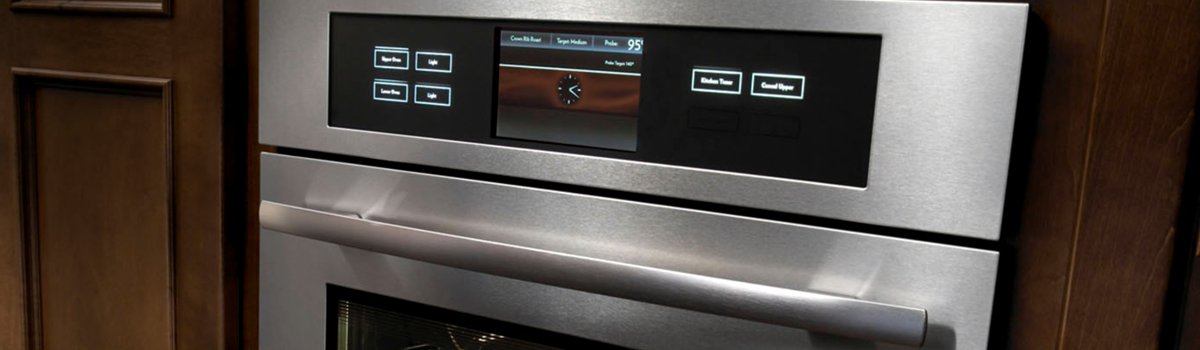
When a Jenn-Air displays Error Code GA, the appliance is telling you the control board is overheating. That board is the brain of the oven: it reads temperature sensors, powers elements, and manages fans and relays. If it runs too hot—because a cooling fan isn’t moving air, vents are blocked, or the board itself is failing—you’ll see GA and, often, stalled preheats or sudden shut-offs. The good news: you can do a few safe checks before calling a pro.
What this fault actually means (in plain English)
The control area behind the panel is supposed to stay within a safe temperature range while the oven is heating. A cooling path—usually a low-profile fan plus front or rear vents—keeps that space from heat-soaking. GA appears when the board detects temperatures above its comfort zone. Think of it as a thermal “timeout” to protect electronics.
Early symptoms you might notice
- Preheat gets halfway and quits, then GA flashes.
- The display goes dim or glitches after long, high-heat cycles.
- The fan sounds louder than usual—or you don’t hear a fan at all.
- The cooktop feels normal, but the control panel area feels unusually hot.
Why it happens (most common root causes)
Airflow problems. Grease or dust in the control-cooling fan, blocked front trim vents, or cabinet installations with tight clearances can trap heat.
Failing fan motor. The blower that cools the board can slow down or seize, especially after years of high-temp roasting or frequent self-clean cycles.
Sensor or board drift. A temperature sensor that reads wrong—or heat-stressed control board components—can misjudge actual conditions and trigger GA.
High ambient heat. Running the oven while a nearby warming drawer or adjacent appliance vents toward the control area can push temps over the edge.
DIY steps to try (safe, simple, and effective)
Safety first: Turn the oven off at the breaker and let it cool for at least 30 minutes before any inspection. You’re working around sharp sheet metal and electronics—go slowly.
Power reset
Flip the breaker off for 5–10 minutes, then restore power. If GA clears and stays gone under a light bake (325–350°F), the fault may have been a transient heat spike.
Check the obvious airflow issues
Open the oven door and look along the control panel trim for lint, grease mist, or crumbs that might block small vent slots. Gently clean with a soft brush and a vacuum—no wet sprays into the vent.
Listen for the control cooling fan
Start a low bake and listen at the panel area. Most models will run a quiet fan shortly after heat begins. No fan sound (or a rough, scraping sound) points to a failing fan motor.
Verify installation breathing room
Slide-in and wall-oven cutouts need specific clearance to exhaust heat. If cabinetry or aftermarket trim squeezes the vents—or if silicone/insulation was stuffed where exhaust air should pass—heat will build up. Re-establish the required gaps per your installation guide.
Avoid self-clean until GA is solved
Self-clean cycles drive the highest temperatures around the control. Skip them until the cooling path is known-good.
If GA returns quickly after a reset—or if there’s no audible fan—it’s time for a professional diagnosis.
What a technician will do (and why it matters)
A factory-trained tech will meter the temperature sensor, test the control cooling fan (voltage, current draw, bearings), confirm proper airflow through trim and duct channels, and inspect the control board for heat stress (discolored PCB areas, lifted solder joints). If the fan tests weak or dead, it’s typically replaced as a unit. If the board has drifted or thermally damaged components, replacement is the reliable cure. Proper diagnostics prevent repeated GA trips and protect the board from permanent failure.
Fixes you can do vs. fixes best left to a pro
Reasonable DIY:
- Breaker reset and cool-down.
- Cleaning vent slots and nearby trim.
- Basic visual checks for blocked cabinet vents or stacked items restricting airflow.
Pro territory:
- Replacing the control-cooling fan or control board.
- Verifying sensor readings and control outputs with a meter.
- Correcting installation-related airflow issues inside cabinetry.
Preventive habits that keep GA away
- Mind the vents. Keep the control panel area free of grease mist and dust; wipe the trim and vent slots during routine cleaning (lightly, no soaking).
- Give it space. Don’t block oven exhaust with oversized pans, foil, or covers that divert hot air toward the panel. Maintain the cutout clearances specified for your model.
- Stagger heat sources. Avoid running multiple nearby heat appliances that vent toward the oven controls at the same time.
- Easy on self-clean. Limit self-clean cycles; use lower-heat cleaning methods more often.
- Annual checkup. A quick inspection of fan operation and airflow paths catches weak blowers before they cook the board.
Prefer a no-guesswork repair? Our factory-certified oven specialists can diagnose GA the right way and install genuine OEM parts to keep your Jenn-Air running precisely.