
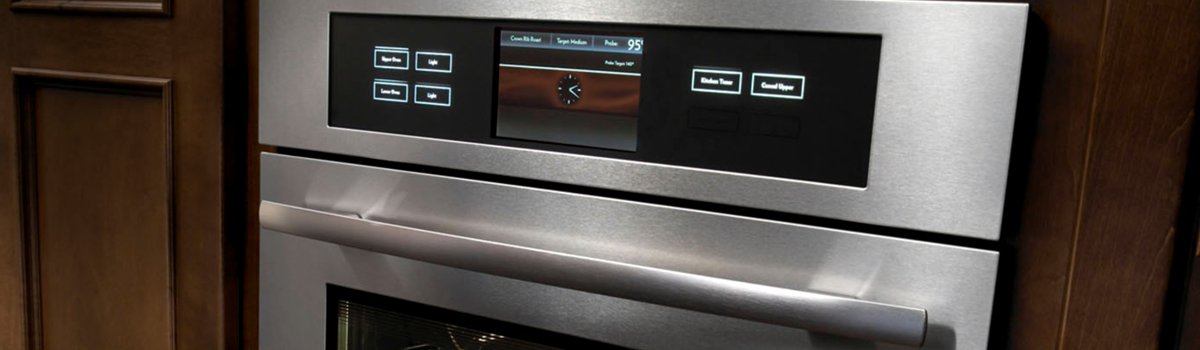
When your Jenn-Air oven or stove flashes FZ, it’s pointing to the warming drawer. On models equipped with a drawer, this code usually means the drawer’s heating element or temperature sensor isn’t behaving the way the control expects. The good news: most checks are straightforward, and a few quick maintenance steps can bring the drawer back to smooth, even warmth.
What the FZ Code Means (in Plain English)
Your warming drawer is a low-temperature heater with a thermostat/sensor that keeps food warm without cooking it. The control looks for specific electrical feedback from that circuit. If the drawer can’t reach or maintain temperature—or if the control “sees” something out of range—it throws FZ to prevent damage or unsafe heating.
You might notice the drawer feels barely warm, runs too hot, or cycles on and off oddly. Sometimes, the indicator lights behave normally while the food just doesn’t stay warm. That mismatch is exactly what the control is trying to flag.
Common Causes
Several things can trigger FZ, and not all of them mean parts are dead:
- Loose or oxidized drawer harness/connector after moving or deep cleaning
- A tired heating element that no longer holds proper resistance under load
- A drifting temperature sensor/thermistor sending values out of spec
- A selector/temperature switch failure on models with manual dials
- Less common: a control board output that doesn’t deliver stable power to the drawer
Safety First
Before any hands-on checks, unplug the range or switch off the dedicated breaker. The warming drawer uses live mains voltage—work only with power removed, and restore power after you’ve reassembled components.
Quick Things to Try (No Tools or Just a Flashlight)
Start with the simple wins, then power the unit back on and test the drawer for 10–15 minutes.
- Power reset: Turn the breaker off for 5 minutes to clear a temporary control fault, then retry the drawer
- Drawer seating: Open the drawer and reseat it fully on the rails; a misaligned drawer may not engage its switch correctly
- Mode/temperature knob: If your model has a dial, rotate it through settings and back to a mid setting to wipe oxidation on contacts
- Light debris check: Confirm nothing is blocking air paths around the drawer pan that could trap heat or confuse sensing
If FZ returns immediately after a clean reset, move on to quick DIY checks below.
DIY Checks You Can Do Carefully
You’ll need a Phillips screwdriver and, ideally, a basic multimeter. If you’re not comfortable with meters or electrical work, skip to the pro section.
Inspect the harness and connectors
With power off, remove the drawer and the small lower access panel (varies by model). Look for loosened plugs, heat-darkened plastic, or corrosion. Reseat each connector firmly until it clicks. A loose connection is a common, no-parts fix.
Look over the heating element
Visible hot spots, cracks, or flaking can indicate a failing element. If your meter skills are basic, you can still compare: a healthy element typically shows finite resistance (not “OL/open” and not a dead short). If it’s open, it’s done.
Check the temperature sensor (if accessible)
Sensors usually read a specific resistance at room temperature and change as they warm. If the value is wildly off or bounces when you wiggle the lead, the sensor or its wiring is suspect.
Reassemble, restore power, and test. If the drawer heats normally for 10–20 minutes without an FZ return, you’ve likely resolved a connection issue.
When to Call a Pro
Some failures require specialized parts or load testing:
- The element reads open or visibly damaged
- The sensor reading is out of spec and doesn’t track temperature
- FZ returns even after reseating connectors and a power reset
- The drawer overheats or won’t regulate—sign of sensor/control mismatch
- You’re not comfortable metering live circuits or removing panels
A technician will verify line voltage to the drawer, measure element/sensor values under heat, and confirm that the control board supplies stable output. If a board is needed, they’ll also check the rest of the range so you don’t replace parts twice.
Preventive Care That Actually Works
You can reduce the odds of seeing FZ again by keeping the drawer’s heat path and connections happy.
Easy habits to adopt
- Don’t overload the drawer; leave space around dishes for air to circulate
- Keep foil off the drawer floor—trapped heat can skew temperature sensing
- Wipe up spills quickly; sugars and sauces can carbonize on the element shield
Light maintenance, a few times a year
- Slide the drawer out and vacuum dust around the compartment to improve airflow
- Inspect the harness plugs for looseness after moves or deep cleans
- If your model uses a dial, rotate it through its full range occasionally to reduce oxidation
During kitchen projects
- Avoid pushing the range back so hard that you pinch or strain the lower wiring
- After any service or relocation, test the warming drawer for 10 minutes before relying on it for guests or meal timing
FAQ: Quick Answers
Can I still use the oven if the warming drawer shows FZ?
Usually yes—the FZ code targets the drawer circuit. But if the code returns repeatedly, fix the drawer first to prevent confusion or shared control faults.
Will a power reset fix FZ permanently?
A reset clears transient glitches. If the underlying issue is a loose connector, failing sensor, or weak element, FZ will come back until the root cause is corrected.
Is it safe to bypass the drawer?
No. Bypassing safety circuits risks overheating and damage. Repair or disable the circuit professionally if you don’t use the drawer.
If you’d rather skip the diagnostics, our factory-certified range specialists handle Jenn-Air warming drawer issues daily and carry OEM parts for quick repairs.