
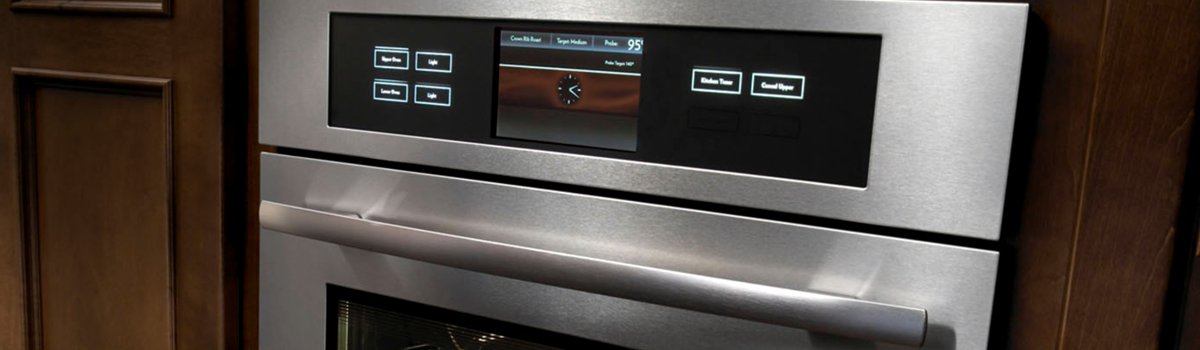
When a Jenn-Air range or wall oven flashes FN, it’s pointing to the safety thermostat (also called the high-limit or over-temperature thermostat). That part’s job is simple but critical: if the cavity or control area gets too hot, it cuts power to protect you and the appliance. If the thermostat trips—or fails—the oven may refuse to heat, shut down mid-cycle, or show FN until the condition is cleared.
What this fault really means
In plain English, the oven believes it overheated or can’t verify safe temperature. Sometimes the thermostat did its job after a genuine overheat; other times the thermostat itself is weak, there’s a cooling problem, or the control misread the event. Either way, FN is the oven saying “we’re not heating again until this is safe.”
You’ll often notice one or more of these symptoms: oven won’t start a bake or broil; preheat stalls; fans run unusually long; the display returns to FN after a reset; or the failure appears right after a self-clean cycle.
Why FN happens on Jenn-Air
A few everyday scenarios trigger this code. Most are simple to understand even if you never held a multimeter.
- Recent self-clean cycle superheated the cavity, tripping the high-limit.
- Cooling airflow issue: blocked rear/top vents, failed cooling fan, or grease-packed fan blades.
- Door not sealing well, causing heat to pool where the thermostat sits.
- Temperature sensor (oven probe/NTC) reading way off, confusing the control.
- Control relay stuck on a heating element, spiking temperature behind the scenes.
- The safety thermostat itself is weak, has poor wiring contact, or is a one-shot style that opened and must be replaced.
Quick safety notes before you start
Unplug the range or switch off the breaker before removing panels. Gas models: close the gas supply if you’re pulling the unit or removing the back. Sharp edges are real—gloves help. If you’re not comfortable with electrical checks, skip to the “When to call a pro” section.
First things first: easy checks any owner can do
Start with the basics that solve a surprising number of FN calls without tools.
- Give it a full power reset
Turn the appliance off at the breaker for 5–10 minutes. Power back on and try a normal bake at 350°F. If FN clears and the oven heats normally, you may have tripped the limit during heavy use or self-clean. - Improve ventilation
Slide the unit forward an inch if it’s tight in the cutout. Clear anything blocking upper or rear vents. For slide-ins, confirm the rear spacer and bottom toe-kick aren’t choking airflow. - Door and rack sanity check
Make sure the door closes firmly with even gasket contact. Move pans that press against the back wall—crowding can reroute hot air and overheat sensor areas.
The fault behind the fault: what “Safety Thermostat Error” really is
There are two common designs:
- Manual-reset high-limit thermostat: Trips at a high temperature and stays open until you press a tiny button (usually on the thermostat body) to reset it.
- One-shot thermal fuse/thermostat: Opens once; the only “reset” is replacement.
Jenn-Air uses both styles across models. If yours has a manual reset, you’re in luck—no parts needed. If it’s a one-shot, plan on replacing the part after addressing why it tripped.
DIY steps (tiered from easiest to moderate)
A. Confirm the cooling fan is actually running
Power the oven and start a low bake. Listen for the internal cooling fan (not the convection fan). No fan sound? After powering off again, access the rear or top service panel (model-dependent) and inspect the cooling fan for obstructions, loose connectors, or heavy grease. A stuck or dead fan will keep FN coming back.
B. Find and reset the safety thermostat (if your model has a resettable type)
With power off, remove the rear panel or top trim to locate a small round/oval thermostat on a bracket near the oven cavity or control area. If you see a tiny red/black button, press it until it clicks. Reassemble, restore power, and test a preheat. If it trips again quickly, something is still overheating—keep reading.
C. Check the oven temperature sensor (probe) connection
Loose or corroded connectors between the sensor and control can mimic over-temp. Reseat the plug at the back of the cavity or behind the control panel. If you can meter safely, most sensors read ~1080Ω at 70°F (typical NTC value varies by model)—a wildly off reading suggests a failing probe.
D. Inspect the door gasket and hinges
Look for flattened sections, tears, or warped corners. A poor seal leaks heat into areas that cook the limit switch. Minor compression can be “fluffed” with gentle cleaning; severe wear means replacement.
E. Post-self-clean recovery
If FN appeared after self-clean, allow a complete cool-down with the door cracked, then try the manual reset again. Self-clean is notorious for pushing limits—consider avoiding it if your kitchen runs hot or the cabinet is snug.
Light maintenance that prevents FN from returning
You don’t need to wrench every weekend to keep an oven happy. Small habits go far.
- Keep vents, cooling intakes, and the rear of the unit dust-free; vacuum gently every few months.
- Avoid running self-clean in a hot kitchen or back-to-back—spread heavy cooking and ensure airflow.
- Clean spills early with warm water and a non-abrasive pad; drowning the cooktop and burner area invites ignition and heat-pooling issues.
- Check the door gasket twice a year; replace if it’s torn, shiny-flat, or leaking.
- For tight installations, confirm cabinet cutout clearances match Jenn-Air specs.
Quick recap you can act on today
The FN code means your Jenn-Air’s safety thermostat is tripped or unhappy. Start with a breaker reset, clear airflow, and a door/gasket check. If your model has a manual-reset limit, press to reset; if the fan is dead or the code returns, fix the cooling issue and replace the thermostat or thermal fuse. When in doubt, let a pro test the sensor and control so you’re not guessing.
Prefer to skip the trial-and-error? Our factory-certified oven specialists handle Jenn-Air daily with brand-level diagnostics and OEM parts.