
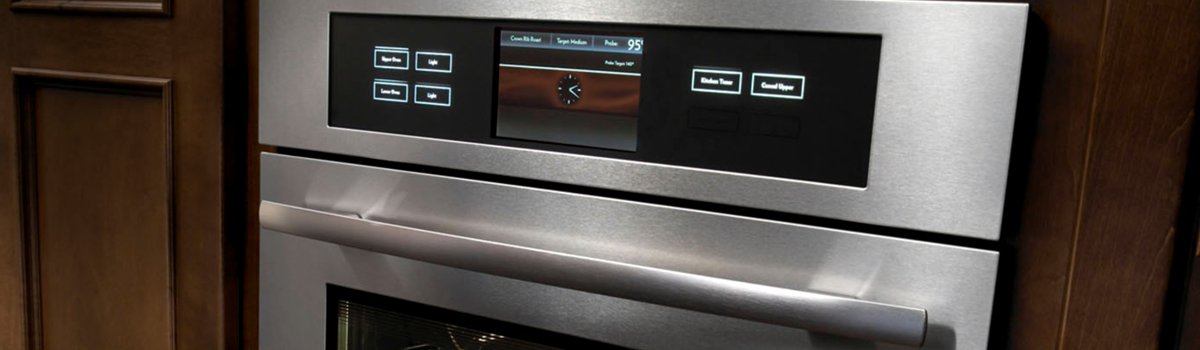
When a Jenn-Air gas oven or cooktop throws Error Code FL, it’s flagging an ignition fault—the igniter isn’t lighting the burner reliably, or the flame isn’t being detected by the control. In plain English: gas is commanded on, the system expects a clean light-off, but that ignition sequence fails or times out. Sometimes it’s a weak igniter that never gets hot enough; other times it’s blocked burner ports, a misaligned cap, poor grounding, or a gas supply issue.
This guide walks you through what the code means, what you can safely check at home, and how to keep the problem from coming back. It’s written for everyday owners—no technician jargon required.
What “FL” Means on Jenn-Air (in practice)
The control is watching for a successful ignition event within a set time. If the igniter doesn’t spark or glow as expected—or the flame sensor/ionization circuit can’t “see” the flame—the control triggers FL and cancels the heat call. You’ll often notice clicking without a stable flame on a spark-ignition model, or a dull red glow that never lights the gas on a hot-surface igniter model.
Common tell-tales
- Repeated clicking but no stable flame
- Burner lights, then goes out within a few seconds
- Long preheat times, oven never reaches set temperature
- Faint gas smell after multiple failed ignition attempts
Why FL Happens (most common causes)
Ignition is a chain—if any link is weak, you get FL. The usual suspects:
- Wet or misaligned components: Moisture after cleaning on the igniter, mis-seated burner caps, or clogged ports disrupt the flame path.
- Weak hot-surface igniter (HSI): Glows but doesn’t draw enough current to open the safety valve or ignite gas consistently.
- Dirty/bad spark system: Worn spark electrode, cracked ceramic, carbon tracks, or poor grounding.
- Restricted gas flow: Partially closed shutoff valve, kinked flex line, clogged regulator screen, or low supply pressure.
- Poor airflow in the oven cavity: Grease or foil blocking vents can cause unstable flame and missed detection.
- Control or sensor wiring faults: Loose connectors, damaged harness, or a failing flame-sense circuit.
DIY Checks You Can Do Safely
Before you begin: Turn off the oven and let it cool. For deeper checks, switch off power at the breaker and close the gas shutoff valve. If you ever smell strong gas, stop and ventilate—don’t attempt repeated ignitions. Call a professional.
1) Re-seat and dry after cleaning
Moisture is ignition’s worst enemy.
- Pat-dry the igniter area and burner surfaces; a hair dryer on cool can help.
- Ensure burner caps sit level and centered.
- Use a soft brush or a wooden toothpick to clear burner ports—never enlarge holes.
2) Watch the ignition sequence
Restore power and open the gas valve. Start a bake or a low burner setting and observe:
- Spark models: Do you see a strong, rhythmic spark at the electrode and a prompt flame? If it lights but drops out, flame sensing or grounding may be weak.
- HSI models: Does the igniter glow bright within 30–60 seconds? A dull, slow glow suggests a weak HSI that won’t open the gas valve reliably.
3) Confirm gas supply
- Make sure the appliance shutoff valve is fully open.
- If multiple burners are weak, suspect a regulator or supply issue.
- Recently converted to LP or moved the appliance? Verify the orifices and regulator cap match your gas type.
4) Light cleaning of the igniter/electrode
- For spark systems, wipe carbon or food residue from the electrode tip and surrounding metal with alcohol on a cotton swab.
- Check for cracks in the white ceramic. If cracked or loose, plan replacement.
5) Basic electrical sanity checks
- Confirm the outlet and breaker are good (no tripped GFCI/AFCI).
- Avoid power strips; use a dedicated, properly grounded outlet.
If FL returns after these basics, further diagnosis requires a meter (igniter current draw, flame-sense microamps, valve and control outputs). That’s technician territory.
Fixes That Typically Resolve FL
Hot-surface igniter replacement (common):
An HSI can glow and still be too weak. Replacing it is a routine repair that restores reliable light-off and normal preheat times.
Spark ignition tune-up:
New spark electrode, cleaning/realigning the burner head, and fixing ground connections often cure click-no-light complaints.
Gas supply/regulator correction:
A partially closed valve, wrong LP/NG setup, or a failing regulator will cause repeat FL and poor flames across multiple burners.
Harness/connector repair:
Securing loose Molex connectors, replacing heat-brittled wires, or correcting a poor chassis ground restores consistent flame sensing.
Control repair (less common):
If all field components test good, the control’s ignition/flame-sense channel may be failing and need replacement.
Preventive Care to Avoid FL in the Future
Keep ignition robust with light, consistent maintenance:
- Dry after cleaning: After any deep clean, run the oven on low or use a cool hair dryer to evaporate moisture around igniters and burners.
- Seat the caps: Make a habit of re-centering burner caps after moving grates for cleaning.
- Keep ports clear: Monthly, brush the burner ports; avoid foil liners that block airflow.
- Mind ventilation: Don’t cover oven vents with foil or pans; stable airflow helps clean ignition and flame sensing.
- Annual checkup: A quick inspection of igniters, electrodes, wiring, and regulator keeps little issues from becoming error codes.
Need a hands-off, warranty-safe fix? Our factory-certified range specialists handle Jenn-Air ignition problems daily. We use OEM parts and brand-level diagnostics to solve FL the right way.