
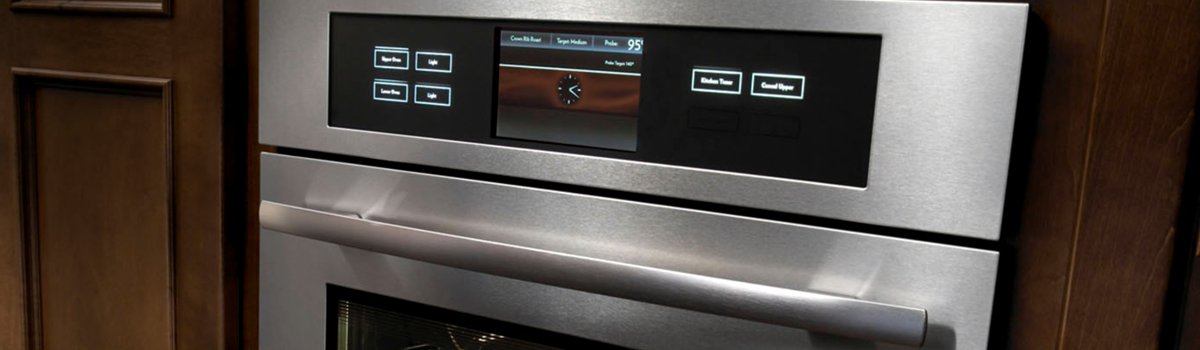
When a Jenn-Air range or wall oven flashes FK, it’s telling you the broil element circuit isn’t behaving. In plain English: the oven can’t heat properly in Broil because the top element isn’t energizing the way the control expects. Sometimes the element has failed outright; other times the issue is wiring, a safety thermostat, or the control/relay that feeds the element.
What FK looks and feels like
You’ll see the code during preheat or shortly after choosing Broil. The oven may click as relays try to engage, then time out. Food under the broiler browns unevenly or not at all, and the top element never glows cherry red. You might also notice a burnt spot on the element, or a sharp “pop” previously when it failed.
Why this happens (the short list)
- A failed broil element (burned open, blistered, or cracked)
- Loose or heat-damaged wiring at the element terminals or harness
- A high-limit/thermal fuse that has opened after excessive heat (often post self-clean)
- A stuck/bad relay or weak output on the electronic control (ERC)
- Less common: door switch not reporting closed (on models that monitor it during broil)
Quick, safe checks before you dive in
Unplug the oven or switch off the breaker first. Ovens store serious energy and have sharp sheet metal; work carefully.
- Visual pass: Open the door, look up at the broil element. Any blisters, cracks, or a missing chunk of element sheath is a smoking gun.
- Wiggle test: With power off, gently tug each spade connector at the element. If a connector slides off easily, the joint has been running hot—clean and tighten or replace the terminal.
- Power back on, brief test: Turn Broil on for 30–60 seconds. If the element doesn’t glow at all and FK returns, power down again and continue below.
If at any point you smell insulation burning or see arcing, kill power immediately.
DIY diagnostics you can handle
You don’t need to be an electrician to rule out the obvious.
Continuity check on the broil element
Remove one wire from the element and test across the two element terminals with a multimeter on continuity/ohms. A healthy element shows continuity (finite resistance). An open circuit (OL) means the element is bad and must be replaced.
Inspect the harness and spades
Heat darkening, brittle insulation, or loose spades cause voltage drop and FK. Replace burnt connectors and any short, damaged wire leads. Use high-temp terminals rated for ovens.
High-limit/thermal devices
Some Jenn-Air models include a non-resettable thermal fuse or a resettable high-limit thermostat in the broil circuit. If it’s open, find out why (blocked vents, foil on racks, recent self-clean) and replace the part. Don’t bypass it.
Control/relay sanity check
If the element and wiring check out, the problem may be on the ERC (control board): a broil relay with pitted contacts or a failed triac. That’s pro-level work—board diagnosis and repair/replacement.
Fixes that actually solve FK
Start simple, then move up the chain.
- Replace a failed broil element
Match by full model number. Transfer any mounting brackets, install new high-temp spades if needed, and make sure connections are snug. Avoid bending the new element sharply. - Repair heat-damaged wiring
Trim back to clean copper, crimp new high-temp terminals, and secure the harness away from glowing metal. - Reset/replace the high-limit device
If yours is resettable, press the tiny button (often on the back panel). If it’s blown (non-resettable), replace it and confirm vents aren’t blocked. - Control board / relay service
If everything downstream is good and FK persists, the board likely isn’t delivering full voltage to Broil. A technician can confirm output under load and replace or rebuild the board.
How to prevent FK next time
A few small habits go a long way.
- Skip foil on the oven floor or racks. It reflects heat back at elements and chokes airflow.
- Mind ventilation. Keep cooling vents clear and give built-ins the clearances from the spec sheet so heat can escape.
- Moderate self-clean. High heat stresses wiring and safety devices. If you must use it, not right before holidays—give yourself time in case a part fails afterward.
- Gentle cleaning around terminals. Don’t soak the top of the cavity; moisture and cleaners can creep into terminals and accelerate corrosion.
- Annual once-over. A quick inspection for loose spades and darkened insulation catches problems before they become FK.
FK = Broil element circuit fault.
Check the element for visible damage and continuity, tighten/replace any burnt connectors, and verify the high-limit device. If the element and wiring are good, the control/relay likely needs service. Handle it now to avoid half-baked dinners and repeated faults.