
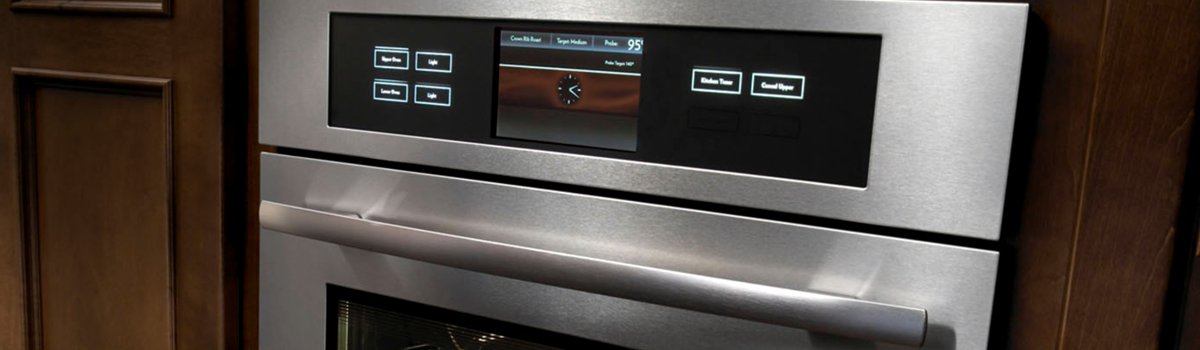
When a Jenn-Air range flashes Error Code FG, it’s alerting you that the oven’s calibration is off. In plain English: the control thinks it’s at, say, 350°F—but your food says otherwise. That mismatch leads to long preheats, pale bakes, or overdone edges. The good news? Calibration issues are fixable, and many can be handled at home with a simple test and a small adjustment.
What “FG” Really Means (and What It Doesn’t)
Calibration errors are about accuracy, not basic heat. If the oven gets hot but consistently over- or under-shoots the target temperature, that’s calibration. If the oven won’t heat at all, or trips breakers, that’s a different problem (elements, igniter, relay, or wiring) and you’ll want a technician. FG sits squarely in the “heat but not accurate” camp.
Typical symptoms you’ll notice
- Cookies that brown too fast on the bottoms but never set on top
- Roast temps overshooting by 25–50°F even after you “learn” the oven
- Thermometer readings that drift high/low throughout a cycle
- Preheats that say “done,” yet a separate thermometer disagrees
Why FG Happens
Modern ovens regulate heat by cycling elements based on a sensor (NTC thermistor) and control logic. Over time, sensor drift, door-opening habits, heavy cookware placement, or control offset can push the average temperature off target. After a power event or major cleaning, you may also see FG if the control lost its learned offset.
Common contributors
- A temperature sensor that’s slightly out of spec (still “works,” just reads off)
- Control offset stored in memory that no longer matches real behavior
- Airflow restrictions from foil lining or blocked vents
- Door not sealing tight (heat loss changes how the control cycles)
Quick DIY: Prove It Before You Fix It
Before changing anything, run a simple, repeatable test so you know what you’re correcting.
What you need: an oven-safe thermometer (or two), a sheet pan, and a timer.
- Place the thermometer on the center rack over a sheet pan (to block direct radiant heat from the element).
- Set the oven to 350°F and let it preheat fully. After the preheat chime, wait another 10–15 minutes for temps to stabilize.
- Record the temperature every 5 minutes for 25–30 minutes while the oven cycles.
- Average your readings.
- If the average is 365–380°F, you’re running hot by ~15–30°F.
- If the average is 320–335°F, you’re running cool by ~15–30°F.
Tip: Electric ovens typically allow small swings around setpoint; the average matters more than any single snapshot.
The Fix: Calibrate the Control (Model-Dependent)
Most Jenn-Air models let you nudge the displayed temperature up or down in the Settings. The exact menu path varies, but it’s commonly Setup / Settings → Calibration / Temp Offset.
- Adjust by the difference you measured (e.g., +20°F if your average was 20°F low).
- Save, then repeat the 350°F test to confirm.
- Many models cap adjustments around ±30°F; if you need more, suspect a sensor that’s drifting or a control that needs service.
If your model uses manual keypad steps
Check your user manual for “Oven Temperature Calibration” or “Adjust Oven Temperature.” Typical steps involve holding a Settings or Bake key sequence to enter offset mode, then using up/down arrows to change the value.
When Calibration Isn’t Enough
If FG returns quickly, or your test shows wild swings beyond normal cycling, look deeper.
- Temperature sensor: A sensor that reads out of spec (ohms vs. room temp) will mislead the control. This is a quick part to test/replace for a pro.
- Door gasket: If heat leaks from a torn or flattened gasket, the oven cycles too aggressively and misses the target.
- Control/relay issues: Signs include erratic cycling, stuck-on elements, or failure to reach temperature.
Cook Smarter While You Sort It Out
You don’t have to stop cooking while you fine-tune calibration.
Quick adjustments that help:
- Let the oven preheat longer (10–15 minutes after the chime) for truer averages.
- Use middle racks and avoid overcrowding—air needs to circulate.
- Avoid opening the door repeatedly; every peek dumps heat and confuses cycling.
- For sensitive bakes, use a secondary thermometer until you trust the offset.
Preventive Care to Keep FG Away
Small habits prevent big drift.
- Skip foil lining on racks or the oven floor. Foil reflects heat, blocks sensors, and starves airflow.
- Clean thoughtfully. After a heavy clean, run the 350°F test; moisture around the sensor or on connectors can skew readings until thoroughly dry.
- Mind the door. Don’t slam it; check that the gasket grips evenly around the perimeter.
- Yearly checkup. A quick professional inspection can verify sensor values, control outputs, and door seal compression—all the calibration building blocks.
When to Call a Pro
If your offset hits the limit and you’re still off, or if temperatures swing unpredictably, it’s time for diagnosis. A technician will ohm-test the NTC sensor, inspect wiring/connectors, verify control outputs under load, and confirm the gasket seal. Catching a drifting sensor early prevents scorched bakes and saves energy.