
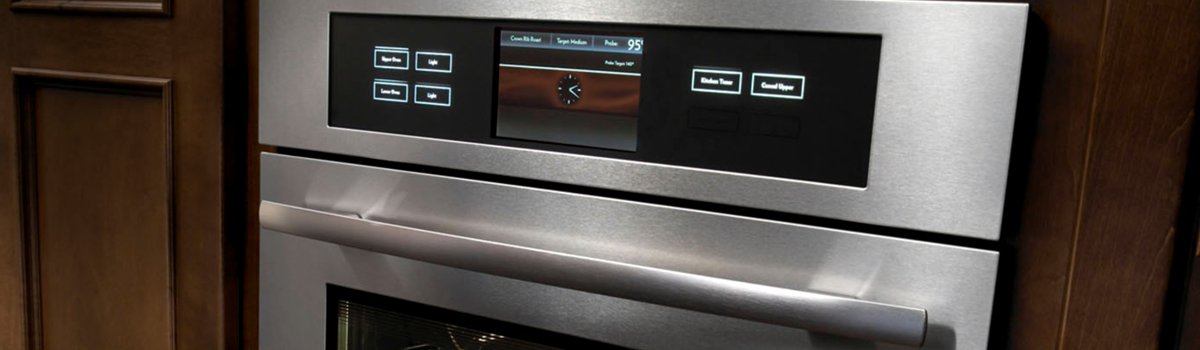
When a JennAir oven or stove flashes Error Code FA, it’s calling out the cooling fan—the fan that moves air across the control panel and electronics so they don’t overheat. If that airflow is missing or weak, the control board gets too hot and shuts things down to protect itself. The result: FA during preheat, a stalled bake, or the oven quitting mid-cycle.
What the FA cooling-fan fault actually means
Unlike the convection fan that circulates heat inside the cavity, the cooling fan sits behind the control panel (or near the rear/top of the oven chassis) and runs when temperatures rise. FA tells you the control doesn’t “see” proper fan operation—either the fan isn’t spinning, isn’t spinning fast enough, or the control can’t drive/read it correctly.
Typical symptoms include a hot control panel or trim, an unusually loud or grinding fan noise, or the fan never starting even though the oven is heating.
Why FA happens (most common causes)
- Dust/grease buildup choking the fan or vents
- Worn fan motor bearings (fan tries to start, then stalls or squeals)
- Loose or heat-damaged connectors between the board and fan
- Blocked ventilation (foil, pans, or cabinetry squeezing the oven’s exhaust path)
- Control board drive fault (less common, but possible after high heat/self-clean)
First things first: safe checks you can do
Unplug the range or switch off the breaker before you touch anything.
- Power reset (5–10 minutes).
Restore power and preheat. If FA reappears quickly, the fan or its wiring likely needs attention. - Vent & grille inspection.
Make sure nothing is blocking the oven’s intake/exhaust slots (front trim, below the control panel, or rear/top vents). Move any foil liners or accessories that could be redirecting heat. - Listen for the fan.
During preheat and after you cancel a cycle, you should hear the cooling fan spin. No sound or a brief grind/twitch points to a failing motor. - Clean reachable dust.
Vacuum and brush lint/grease from accessible vents and the rear toe-kick/grilles (where applicable). A clogged path starves the fan and overheats controls.
DIY fixes (light, non-invasive)
These steps are aimed at basic maintenance—no deep disassembly, no live-voltage testing.
Reseat plug-in connectors (if accessible).
On some freestanding units, removing the rear service panel exposes a small cooling fan with a two-wire connector. With power off, reseat the connector firmly. Look for browned plastic or brittle insulation—signs of heat damage.
Spin test (manual).
With power off, gently rotate the fan blade. It should move smoothly and coast a bit. Stiff, gritty, or wobbly? The motor is near failure and should be replaced.
Clear the airflow path.
If you see insulation or a loose wire bundle sagging into the fan blades, secure it out of the way (non-conductive clip/zip tie).
If FA returns right after these steps—or the fan is noisy, stuck, or wobbling—the cooling fan assembly needs replacement. Continuing to use the oven can overheat the control board and escalate the repair.
Preventive habits that keep FA away
Keep this short list in your back pocket:
Mind the vents. Don’t cover intake or exhaust slots with foil, liners, or oversized pans.
Vacuum seasonally. Dust and pet hair collect around toe-kicks, rear grilles, and cabinet cutouts—clean every 3–6 months.
Post self-clean check. After a high-heat self-clean, listen for the fan. New noises or delayed spin-up are early warning signs.
Cabinet clearances. Built-ins need the clearances from the installation guide so hot air can escape instead of baking the controls.
Shut down at the first FA. Don’t keep retrying long bakes with a sick fan—you’ll only heat-soak the control board.
When you should call a pro
If you’re not set up for meter tests or your oven is built-in, save yourself the headache. A technician will:
- Verify supply voltage and fan motor current draw
- Check the control board’s fan output under heat
- Inspect harnesses for heat damage and replace the cooling fan module if needed
- Confirm post-repair temperatures and ramp-down behavior so FA doesn’t return
FA means the oven’s electronics aren’t getting the cooling they need. Sometimes a reset and airflow cleanup are enough—but if the fan is tired or the control can’t drive it, a timely repair prevents bigger failures.